‘Retail’ (in home and out of home) is one of the biggest players in climate and plastic impact. Yet fewer than 1 in 5 organisations are on track to cut their supply chain emissions in line with the Paris Agreement. What they sell drives 40% of global plastic use. Their value chains generate more than a quarter of global emissions. Intent is high. Delivery is lagging. ‘Retailers’ need supplier partnerships to close the gap.
Why suppliers matter
Suppliers hold the keys to Scope 3. They influence how food is farmed, how packaging is designed, how products move through logistics, and what happens at end-of-life. When suppliers and retailers act together, results come faster, and benefits multiply.
The prize is mutual value
- Efficiency wins: cut food waste, optimise packaging, shrink carbon footprints. Save money and strengthen supply.
- Consumer pull: create plastic-free packs, purpose-led campaigns, or ethical sourcing programmes that drive loyalty and share.
- Resilience: secure ingredients and raw materials under threat from climate change.
- Licence to operate: stay ahead of regulation, investor pressure, and consumer scrutiny.
What great collaboration looks like
The best supplier–customer partnerships share six traits:
- Realising mutual value that rewards shared outcomes.
- Radical transparency and data sharing.
- Clear choices on where to play in the value chain.
- KAMs orchestrating the right conversations across both businesses.
- Co-created initiatives tied to each company’s strategy, not force-fits.
- A test-and-learn mindset, scaling what works.
Two routes to value
1. Consumer-led moves. Visible changes like Heineken’s plastic-free can toppers with Tesco, eliminating 517 tonnes of plastic a year, win shoppers, cut waste, and deliver share gains. Purpose-led campaigns, like Tony’s Chocolonely’s ‘Crazy about chocolate, serious about people,’ create brand preference and rapid distribution.

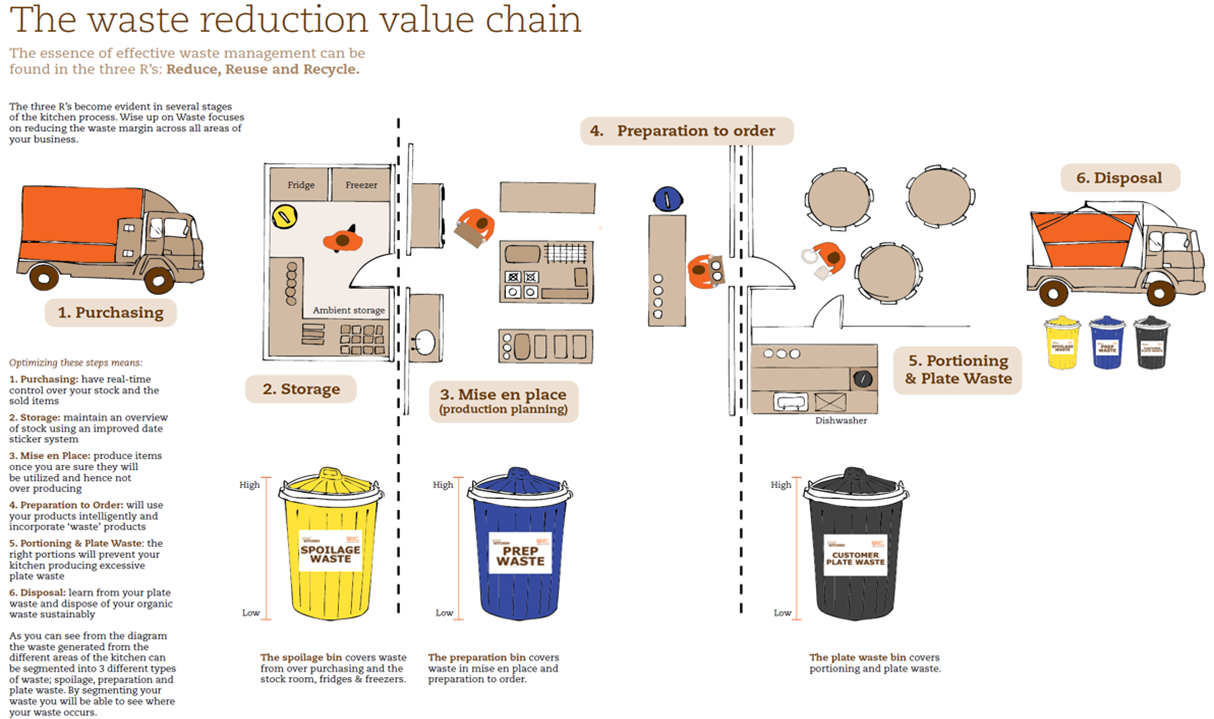
2. Value-chain efficiency. Behind-the-scenes work can be just as powerful. Unilever and Compass Group cut food waste in kitchens by 33% through joint audits and shared tools–delivering cost savings, stronger B2B ties, and progress on sustainability targets.
Why sustainability sticks
Customers lean in when sustainability connects to what matters most:
- Securing supply under climate stress.
- Winning consumer choice.
- Meeting compliance and reporting rules.
- Satisfying investors.
- Simply doing better business.
Bottom line
Your customers are committed but typically behind. Suppliers that show up with targeted, measurable solutions can help retailers close the Scope 3 gap, reduce plastic, and unlock resilient growth.
The formula is simple: make it measurable. Make it mutual. Make it scale.
News and stories
SEE ALL
Will you be match fit for the ‘Golden Quarter’?
Context Covid-19 came quickly and will depart slowly. Global leaders are walking a tightrope between health and economics. Whilst the situation is fluid and unpredictable, business leaders must quickly shift...

Innovation versus the Core
The role and benefits of innovation in a category has been a roller coaster journey for many suppliers and retailers. In light of CV19, the question of ‘to go ahead...

The increasing importance of AQ as a growth driver. What’s your ability to ADAPT?
The late great Stephen Hawking defined intelligence as ‘the ability to adapt to change’ and change dominates all of our landscapes. In the single second it took to read that...

Getting after growth – the behaviours that actually move the needle