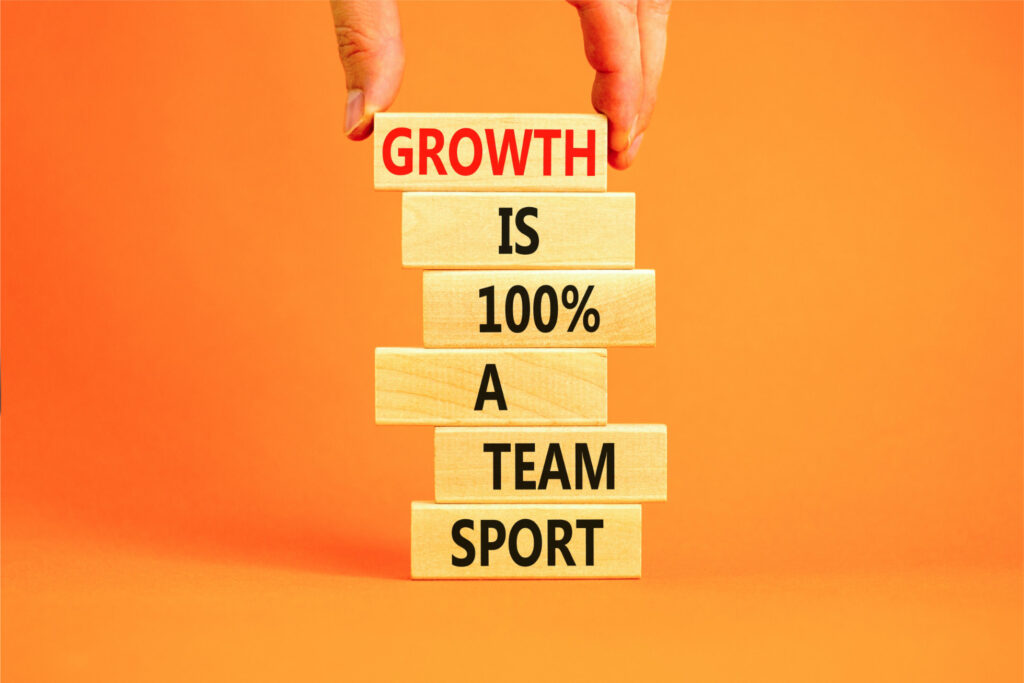
Build the Team that Wins in 2027
Continuous growth continues to be a challenge.
Volume is tough to find, consumers are making sharper choices, and customers want more value, while costs remain under pressure and the trends reshaping markets rarely arrive neatly packaged for one function to solve.
In our experience too many organisations are still approaching growth function by function.
Marketing has its priorities, sales has theirs, and category, RGM, innovation and insights each bring a different lens. All are valuable, but value is lost when those lenses don’t come together.
Commercial growth is a team sport.
Winning in 2027 won’t simply be about having the best strategy, strongest innovation pipeline or smartest customer plan. It will be about how effectively the commercial team connect and executes them.
Start with a shared view of where growth will come from.
Which consumers, occasions, categories, channels and customers offer genuine headroom? Which trends are changing the rules? Where should you actively choose not to play?
A common growth agenda gives teams something bigger than their functional targets to organise around.
Turn trends into choices.
Trends are useful, but spotting them isn’t the win. The advantage comes from understanding which ones matter to consumers and therefore need to matter to your business, and then translating them into commercial action. What do they mean for your portfolio, your pricing, your innovation, your customers and your route to market? How do these things connect to customers, often the gatekeeper but ideally a partner?
Make the connections visible.
Great commercial teams understand the hand-offs and the trade-offs.
Insight informs strategy, strategy shapes choices, choices drive execution, execution creates learning, and learning improves the next decision.
When those connections break, growth leaks out.
Practise playing together.
High-performing teams don’t become high performing because everyone attends the same meeting.
They build shared language, make decisions together, challenge constructively, learn quickly and know when to lead and when to pass the ball.
2027 may not hand us easy growth. That makes the team more important, not less.
So, before you finalise another growth plan, put your commercial team through three simple tests:
ALIGN — Can we all name the same growth priorities?
CONNECT — Do we know how our different roles combine to unlock them?
ACT — Can we turn different perspectives into one decision and clear action?
Three simple questions.
But if the answers aren’t a confident yes, there’s work to do.
Don’t just build the growth strategy for 2027.
Build the team that can deliver it.
News and stories
SEE ALL
Are you maximising the shopper marketing opportunity?
Delivering your growth agenda: Shopper Marketing – a shared capability Quantic’s core principle is that connected organisations outperform their competition. By connected, we mean those businesses whose commercial functional strategies...

Why sustainability belongs in every joint business plan
Integrating sustainability into Joint Business Plans (JBPs) helps suppliers and customers create shared value while driving long-term growth. From reducing costs and strengthening supply chain resilience to building consumer trust and accelerating innovation, sustainability-focused JBPs enable stronger partnerships, strategic alignment, and measurable commercial success.

Transforming learning starts with a transformation of L&D
CEOs highlighting that their organisations are not developing skills fast enough should be a rallying cry to L&D to take a look at itself. Here are five thoughts to help...

The hidden multiplier in commercial influence: IQ × EQ.
Truly effective selling happens when IQ and EQ work in harmony, combining sharp logic with emotional intelligence to tell a story that builds trust, inspires confidence, and makes customers feel as convinced as they are persuaded.

Winning brand share by closing the sustainability expectation gap
Most consumers care about sustainability, but barriers like price, access, and confusion stop them from acting, creating a costly expectation gap for brands. The companies winning market share are those that close this gap by removing friction, tailoring strategies to different consumer segments, and making sustainable choices accessible, affordable, and easy. Growth comes not from messaging alone, but from enabling real behaviour change.