Sustainability is no longer optional. It’s not a side initiative, a campaign theme, or a CSR box to tick. For brands, it must sit at the core of strategy.
Why? Because the forces reshaping markets–climate change, consumer expectations, regulation, and supply risk – demand it.
22% of consumers are actively changing their behaviour to shop more sustainably. This group is growing and currently makes up a $456 billion opportunity and is projected to grow to $1 trillion in 2028.
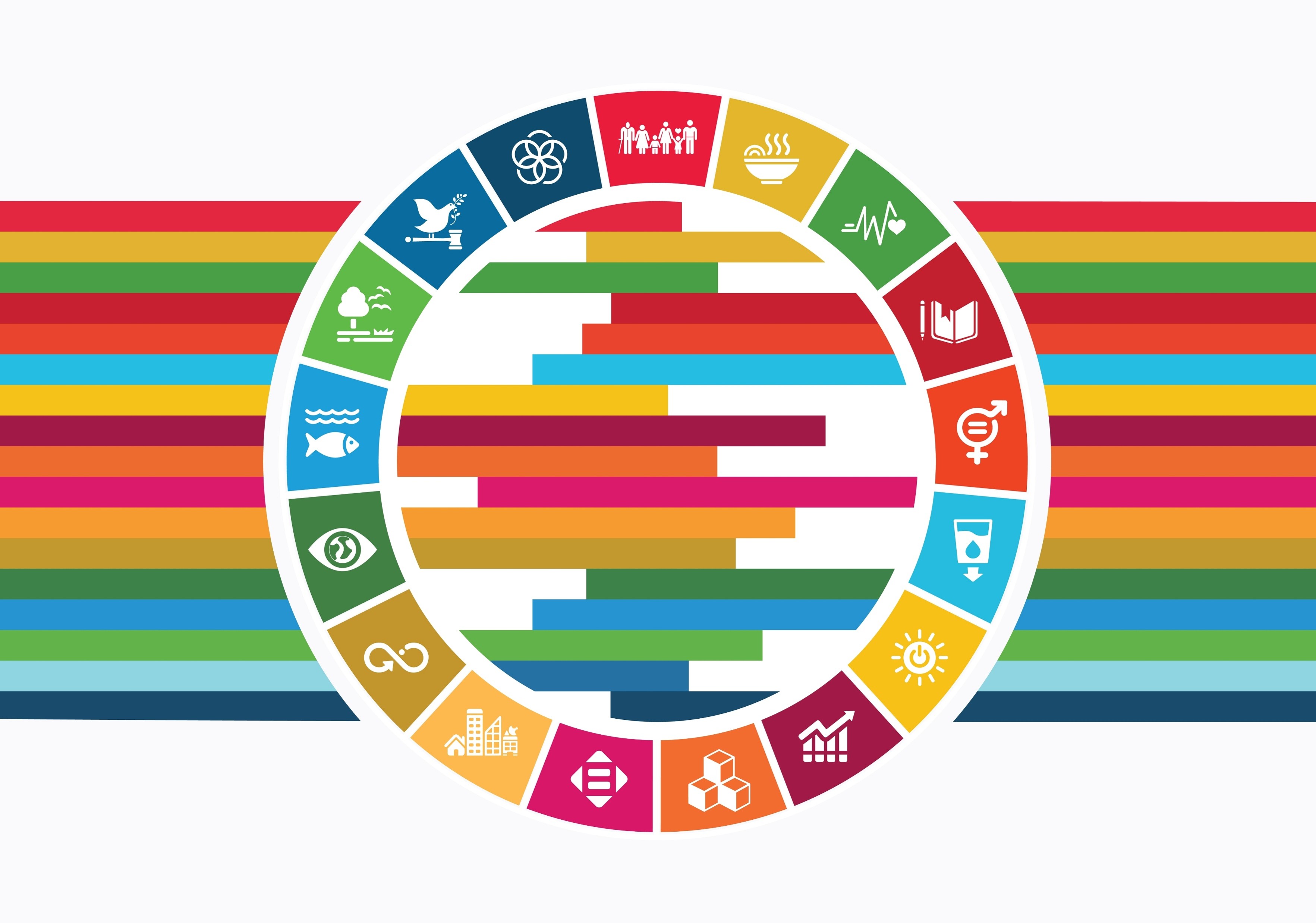
Credible, authentic integration and contribution to the UN Sustainable Development Goals isn’t about reputation management. It’s about future-proofing relevance, resilience, and growth.
1. Consumers demand authenticity
People don’t just buy products – they buy what brands stand for. Kantar shows that sustainability perceptions drive nearly half of a brand’s reputation. If purpose isn’t embedded into the brand itself, consumers see straight through the storytelling.
Tony’s Chocolonely created delicious chocolate while raising awareness of modern slavery and child labour in the cocoa supply chain, to sell over $160m p.a.
Integrated sustainability builds loyalty; superficial claims destroy it.
2. Innovation thrives when rooted in purpose
Breakthroughs often come when brands align proposition innovation with environmental and social goals.
Natura reimagined beauty products with concentrated formulas that cut plastic by 81% and reduced waste by 55% vs. category conventions, while launching a new skincare delivery format.
These aren’t side projects, they’re flagship innovations that define the brand.
3. Integration brings resilience to supply chains
Climate shocks are disrupting agriculture, minerals, and water supplies. If brands don’t act, they risk losing the very ingredients they rely on.
McCain embeds regenerative agriculture, facing into the growers increasing challenges from climate change and variable weather, rising input costs, and regulatory uncertainty. This creates mutual value and long-term supply.
Building sustainability into brand strategy means protecting the future of the business itself.
4. Culture and talent depend on it
The new and next generations of workforce are increasingly attracted to brands and businesses that mean something. Purpose drives pride and retention.
Patagonia has long been at the forefront of attracting talent by making its mission inseparable from its brand.
Make sustainability a living culture, not just a slogan.
5. A valuable commercial currency with the trade
It can be the differentiator that secures listings and beyond the buyer conversations with in and out of home customers.
Helping, rather than hindering, a trade customer in the pursuit of their sustainability goals and sustainability proposition to their shoppers/guests, is now integral to buying decisions.
Growth follows commitment
Brands that treat sustainability as central, not peripheral, unlock growth. The brands we have helped to authentically integrate incorporate sustainability into their marketing mix are generating revenue growth that is typically 3x higher than their branded category peers.
Creating long-term value for people and planet delivers topline growth, and cost savings.
The answer is simple: sustainability must be integrated into brands because it is a critical component of competitiveness. Without it, brands risk irrelevance, fragility, and decline.
With it, they unlock the future today through resilience, trust, and growth that will endure.
News and stories
SEE ALL
Growth isn’t a hobby – why serious leaders bet on it
Winning brand share by closing the sustainability expectation gap
Most consumers care about sustainability, but barriers like price, access, and confusion stop them from acting, creating a costly expectation gap for brands. The companies winning market share are those that close this gap by removing friction, tailoring strategies to different consumer segments, and making sustainable choices accessible, affordable, and easy. Growth comes not from messaging alone, but from enabling real behaviour change.

Where is growth coming from?
With today’s environment changing at so fast a pace, thinking about tomorrow can often be a daunting task and one overtaken by the need to manage today’s hectic here and...

Transforming IT from supplier to partner
The value of technology becoming even stronger in the future is unquestioned. Every day it becomes more embedded in the way we live and work and has become a primary...

Getting the right promotional mix
With the majority of the Food and Drink category values being at best flat and often actually in decline, it’s all too easy for manufacturers to throw badly-aimed monies at...